
Stainless Steel vs Disposable Suction Tubes: Which Is the Best?

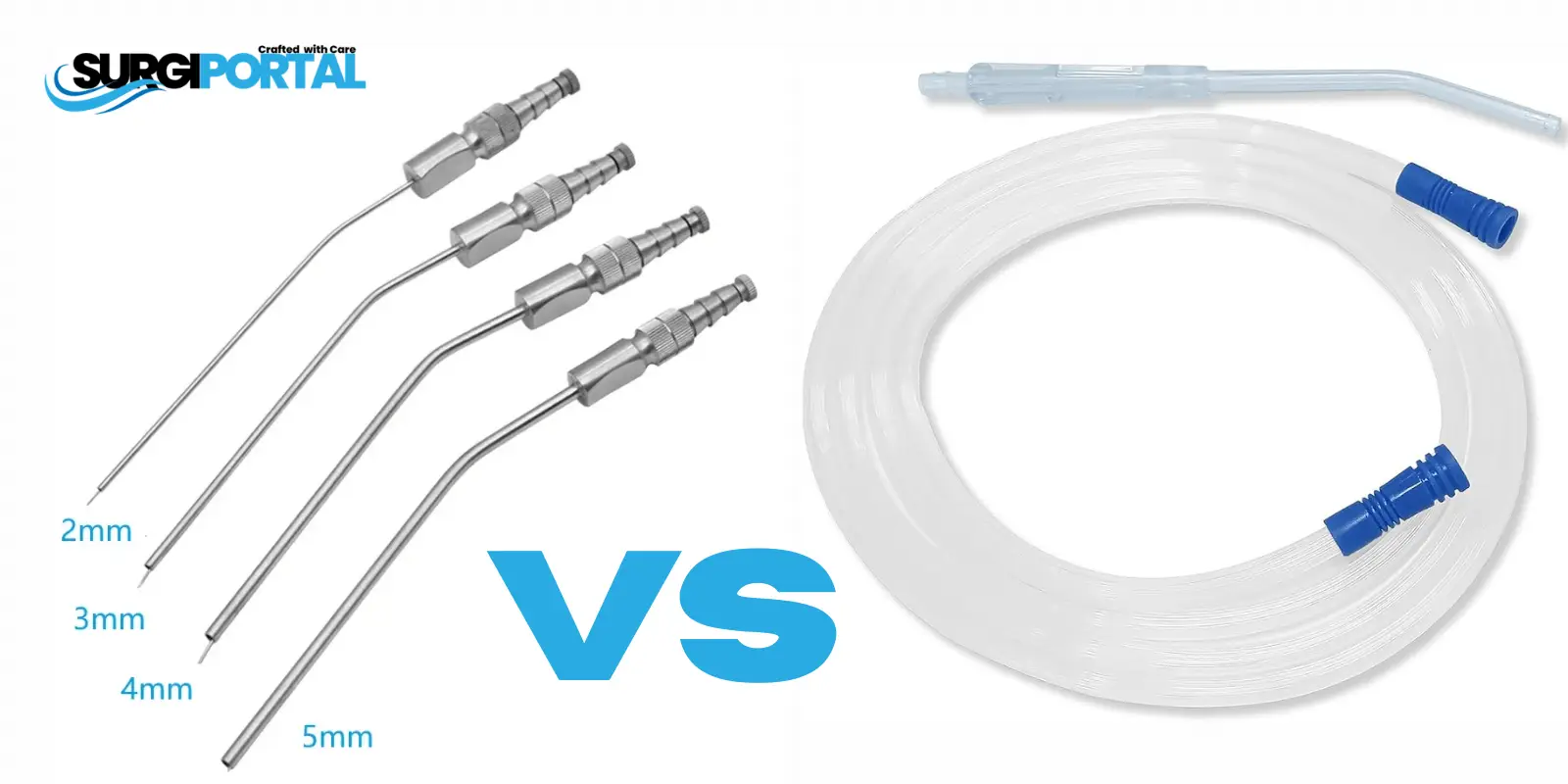
Suction tubes play an important role in surgery by providing a clear field of operation through the removal of blood, irrigation fluids, and tissue debris. Surgeons and medical facilities often face the choice between disposable suction tubes and stainless steel suction tubes. Both options offer benefits, but the decision depends on factors such as surgical requirements, budget, infection control, and environmental concerns. Understanding the differences between these two types of suction tubes helps medical professionals make informed choices that maximize surgical precision and patient safety.
Stainless Steel Suction Tubes
Features and Benefits
Stainless steel suction tubes are reusable instruments made from medical-grade stainless steel. They are designed to withstand repeated sterilization without losing shape, suction efficiency, or surface smoothness.
Key benefits include:
- Durability: Resistant to corrosion and capable of lasting many years with proper care
- Dependable Performance: Smooth internal surfaces and precise tips ensure unobstructed suction
- Ergonomics: Designed for comfort, giving surgeons better control during long procedures
- Long-Term Cost Efficiency: Higher initial cost but saves on replacement expenses over time
- Environmental Sustainability: Produces less medical waste compared to disposable options
Considerations
Stainless steel suction tubes require:
- Proper Sterilization: Repeated sterilization to prevent infection
- Regular Maintenance: Inspection and cleaning to maintain performance and safety
These tubes are ideal for high-volume surgical centers or specialties such as orthopedic surgery, neurosurgery, and general surgery, where precision and longevity are critical.
Disposable Suction Tubes
Features and Benefits
Disposable suction tubes are single-use instruments, typically made from medical-grade plastics, and come pre-sterilized for immediate use.
Key benefits include:
- Infection Control: Eliminates risk of cross-contamination between patients
- Convenience: No sterilization or long-term maintenance required
- Lower Initial Cost: Cheaper upfront compared to stainless steel
- Ideal for Emergency or Outpatient Care: Useful in facilities with limited sterilization capabilities
Considerations
While disposable suction tubes are convenient, they have limitations:
- Durability: May lack the precision, control, and suction efficiency of stainless steel tubes
- Environmental Impact: Contribute to medical waste due to single-use plastic
- Long-Term Costs: Repeated use in high-volume surgeries can increase overall expenses
Disposable suction tubes are commonly used in small clinics, dental offices, or low-volume surgical environments where sterility and convenience are priorities.
Impact on Surgical Precision
The material of the suction tube can influence surgical accuracy.
- Stainless Steel Tubes: Provide precise control and reliable suction, essential for delicate procedures such as neurosurgery, microsurgery, and orthopedic surgeries. Surgeons can manipulate them with confidence for accurate performance.
- Disposable Tubes: Suitable for general procedures, but may lack ergonomic design and tip precision, which can affect visibility and control in highly delicate operations.
Reusable stainless steel suction tubes are typically the better choice when surgical precision is critical.
Cost Comparison
- Stainless Steel Suction Tubes: Higher initial cost but economical in the long run due to reusability. Requires investment in sterilization equipment.
- Disposable Suction Tubes: Lower upfront cost but can become expensive in high-volume environments due to single-use nature.
Hospitals and surgical centers should evaluate both initial costs and long-term operational expenses when selecting the type of suction tube.
Infection Control and Sterility
Both stainless steel and disposable suction tubes can maintain a sterile surgical environment when used correctly.
- Stainless Steel: Requires strict sterilization procedures such as autoclaving and thorough cleaning between procedures.
- Disposable: Pre-sterilized and ready to use, minimizing the risk of cross-contamination.
The choice depends on the facility’s ability to adhere to proper sterilization protocols.
Environmental Impact
- Stainless Steel: Reusable and environmentally friendly, producing minimal medical waste
- Disposable: Single-use plastics contribute to medical waste and environmental burden
Facilities prioritizing sustainability often prefer stainless steel instruments for long-term use.
Conclusion: Which Is Better?
Both stainless steel and disposable suction tubes have a place in modern surgical practice. The decision depends on surgical needs, infection control, budget, and environmental concerns.
- Choose Stainless Steel: When durability, precision, and long-term cost-efficiency are priorities. Ideal for high-volume surgeries and delicate procedures.
- Choose Disposable: When sterility, convenience, and lower startup costs are important, such as in outpatient clinics or facilities with limited sterilization equipment.
High-quality suction tubes, whether stainless steel or disposable, are crucial for surgical precision, patient safety, and efficient operating room performance. Selecting the right type of suction tube ensures better surgical outcomes, improved workflow, and enhanced quality of care in any healthcare or veterinary facility.