
Safety Guidelines for Using Electrosurgical Devices in the Operating Room

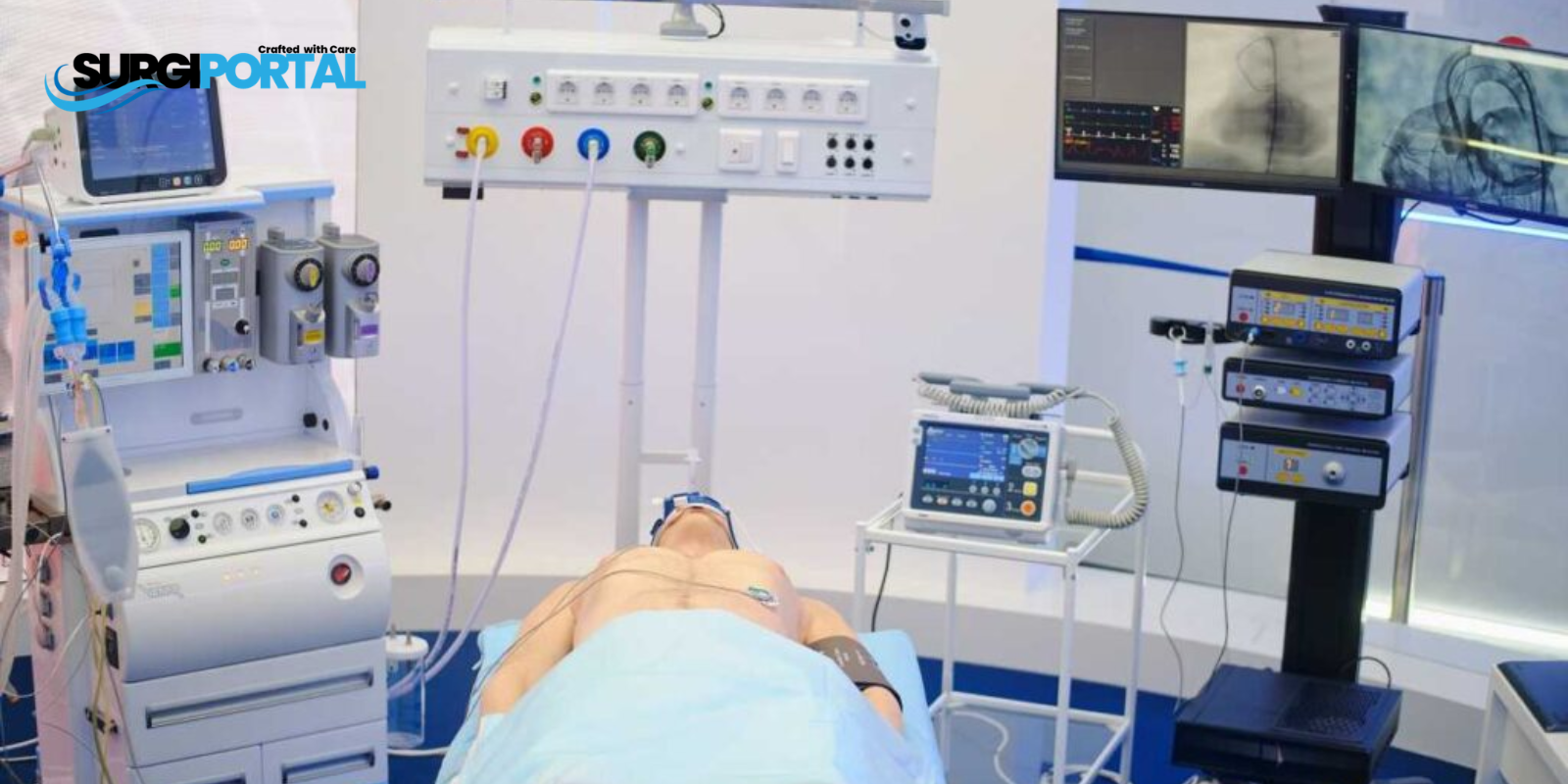
Electrosurgical technology plays a critical role in modern surgical procedures. It allows surgeons to cut tissue, control bleeding, and perform precise surgical tasks with improved efficiency. Electrosurgical devices are commonly used in general surgery, orthopedic procedures, veterinary operations, dental treatments, and many other specialized medical fields.
These devices operate by using high-frequency electrical energy to generate heat within tissues. The heat can be used for cutting, coagulation, desiccation, or fulguration. While electrosurgery offers many advantages, improper use can lead to complications such as burns, surgical smoke exposure, equipment failure, or operating room fires.
For this reason, strict safety guidelines must always be followed when using electrosurgical equipment. Proper training, equipment inspection, and adherence to safety protocols help ensure both patient safety and the protection of surgical staff.
Understanding Electrosurgical Devices
Before discussing safety guidelines, it is important to understand how electrosurgical systems function.
Electrosurgical units generate high-frequency electrical current that passes through tissue to create heat. This heat produces the desired surgical effect such as cutting or coagulation.
The two main types of electrosurgical systems include monopolar and bipolar electrosurgery.
Monopolar Electrosurgery
In monopolar systems, the electrical current flows from the active electrode through the patient’s body and returns to the generator through a return electrode pad.
Key components include:
• Electrosurgical generator
• Active electrode or electrosurgical pencil
• Patient return electrode (grounding pad)
• Connecting cables and accessories
Bipolar Electrosurgery
In bipolar systems, the electrical current flows between two tips of the same instrument. The current remains confined to the tissue between the forceps tips.
Advantages include:
• More precise energy delivery
• Reduced risk of stray electrical current
• Suitable for delicate surgical procedures
Importance of Electrosurgical Safety in the Operating Room
Electrosurgical devices are powerful surgical tools, but they must be handled with care. Incorrect use can result in serious complications.
Some risks associated with electrosurgery include:
• Patient burns
• Accidental tissue damage
• Operating room fires
• Surgical smoke exposure
• Equipment malfunction
Implementing strict safety measures significantly reduces these risks and ensures safe surgical procedures.
Proper Training of Surgical Staff
All members of the surgical team must be properly trained before using electrosurgical equipment.
Training should include:
• Understanding electrosurgical principles
• Learning correct device operation
• Recognizing potential hazards
• Managing emergency situations
Regular training sessions help keep operating room staff updated on safety protocols and equipment usage.
Equipment Inspection Before Surgery
Electrosurgical devices and accessories must always be inspected before surgery begins.
Important inspection steps include:
• Checking cables for visible damage
• Inspecting electrodes for insulation defects
• Ensuring connectors are secure
• Confirming generator settings are appropriate for the procedure
Damaged equipment should never be used during surgery because it can lead to electrical injuries or equipment failure.
Correct Placement of the Return Electrode Pad
In monopolar electrosurgery, proper placement of the return electrode pad is essential for patient safety.
Guidelines for proper placement include:
• Place the pad on a clean and dry area of skin
• Choose a muscular and well-vascularized area such as the thigh
• Avoid placing the pad over bones, scars, or metal implants
• Ensure complete skin contact without wrinkles
Incorrect placement can cause heat buildup and result in serious patient burns.
Using the Lowest Effective Power Setting
Electrosurgical generators allow surgeons to adjust power levels depending on the surgical procedure.
Safe practices include:
• Start with the lowest effective power setting
• Increase power gradually if necessary
• Select the correct electrode for the procedure
Using excessive power may damage surrounding tissues and increase surgical risks.
Preventing Operating Room Fires
Electrosurgical devices are one of the leading ignition sources in operating rooms. Electrical sparks can ignite flammable materials if proper precautions are not taken.
Fire prevention practices include:
• Allow alcohol-based skin preparation solutions to dry completely
• Keep flammable materials away from the surgical field
• Use safe draping techniques
• Place the active electrode in a safety holster when not in use
These precautions help reduce the risk of operating room fires.
Managing Surgical Smoke
Electrosurgery generates surgical smoke when tissue is vaporized. This smoke may contain harmful chemicals and biological particles that can affect operating room staff.
To reduce exposure:
• Use surgical smoke evacuation systems
• Maintain proper operating room ventilation
• Wear protective masks when necessary
Proper smoke management improves the safety and comfort of the surgical environment.
Preventing Patient Burns
Burn injuries are among the most serious complications associated with electrosurgery.
Burns may occur due to improper grounding pad placement, insulation failure, or unintended electrical contact.
Preventive steps include:
• Keep metal objects away from the surgical site
• Ensure correct placement of the return electrode pad
• Avoid contact between active electrodes and other instruments
• Monitor the device carefully during surgery
Careful monitoring greatly reduces the risk of patient injury.
Proper Handling of Electrosurgical Instruments
Safe handling of electrosurgical instruments is essential throughout the procedure.
Recommended practices include:
• Place the active electrode in a safety holder when not in use
• Avoid placing the electrode on surgical drapes
• Activate the device only when the electrode is in contact with tissue
• Turn off the instrument before removing it from the surgical field
These practices prevent accidental activation and improve surgical control.
Routine Equipment Maintenance
Electrosurgical units require regular maintenance to remain safe and effective.
Maintenance activities include:
• Routine equipment inspections
• Calibration checks
• Cleaning and sterilization procedures
• Replacement of worn or damaged parts
Regular maintenance ensures reliable performance and extends the lifespan of surgical equipment.
Conclusion
Electrosurgical devices have become an essential part of modern surgical practice. Their ability to cut tissue and control bleeding with precision has significantly improved surgical efficiency and patient outcomes.
However, safe use of electrosurgical equipment requires proper training, careful equipment inspection, and strict adherence to operating room safety protocols. Correct electrode placement, proper power settings, and effective smoke management are key factors that help prevent complications during surgery.
At SurgiPortal, we believe that combining high-quality electrosurgical instruments with responsible usage practices leads to safer surgical environments and better patient care. When these safety guidelines are consistently followed, electrosurgical technology becomes a reliable tool that enhances surgical precision and supports successful medical procedures.