
Mini Dental Implants with Benefits and Risks

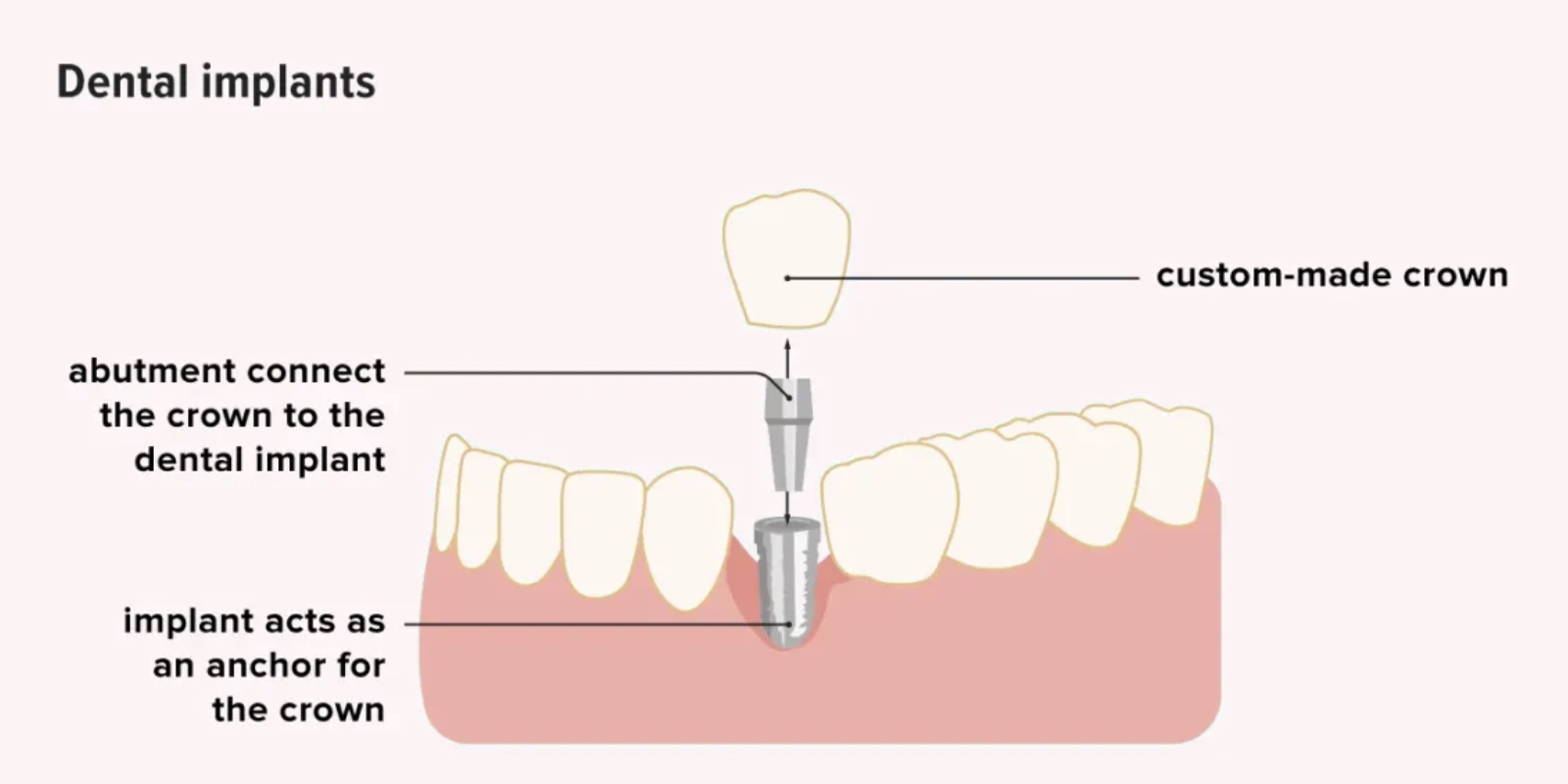
Mini dental implants have become an increasingly popular option for patients looking for a less invasive, more affordable solution to replace missing teeth. Smaller in size than traditional dental implants, mini implants offer faster healing, simpler placement, and effective stabilization for certain dental restorations. However, like any dental treatment, they come with both advantages and limitations.
Understanding the benefits and risks of mini dental implants can help patients and dental professionals determine whether this option is the right choice.
What Are Mini Dental Implants?
Mini dental implants are narrower, one-piece implants designed to replace missing teeth or stabilize dentures. Unlike traditional implants, which are typically 3.5–5 mm in diameter, mini implants are usually less than 3 mm wide.
They are made from biocompatible titanium and consist of a single integrated post with a ball-shaped tip that supports crowns, bridges, or dentures. Because of their smaller size, mini implants require less bone structure and can often be placed without extensive surgery.
How Mini Dental Implants Work
Mini dental implants function similarly to traditional implants by anchoring into the jawbone and acting as artificial tooth roots. Once placed, they provide stability for replacement teeth or dentures.
The placement process is generally quicker and less invasive. In many cases, mini implants can be placed in a single appointment, and patients may receive immediate restoration, reducing overall treatment time.
Key Benefits of Mini Dental Implants
Less Invasive Procedure
One of the biggest advantages of mini dental implants is that they require smaller incisions and minimal drilling. This means less trauma to the gums and bone, making the procedure more comfortable and reducing recovery time.
Faster Healing and Recovery
Because the surgery is less invasive, healing is usually faster compared to traditional implants. Many patients return to normal activities within a day or two, and post-operative discomfort is typically mild.
Ideal for Patients with Limited Bone
Mini dental implants are an excellent option for patients with low jawbone density who may not qualify for traditional implants. In many cases, they eliminate the need for bone grafting, making treatment simpler and more accessible.
Lower Cost Compared to Traditional Implants
Mini implants are generally more affordable, making them an attractive choice for patients seeking a budget-friendly tooth replacement solution without compromising functionality.
Immediate Function and Results
In many cases, mini dental implants allow for same-day restoration, meaning patients can leave the clinic with stabilized dentures or replacement teeth on the same day as the implant placement.
Improved Denture Stability
Mini dental implants are commonly used to secure loose dentures, preventing slipping, improving chewing efficiency, and enhancing overall comfort and confidence.
Suitable for Elderly or Medically Compromised Patients
Because the procedure is simpler and less invasive, mini implants are often a good option for older adults or patients with certain medical conditions who may not tolerate extensive surgery.
Common Uses of Mini Dental Implants
Mini dental implants are frequently used to stabilize lower dentures, replace small missing teeth, support temporary restorations, and provide solutions when bone volume is insufficient for traditional implants. They are especially useful in cases where patients want a faster, less complex treatment.
Risks and Limitations of Mini Dental Implants
While mini dental implants offer many advantages, they are not suitable for every patient or situation.
Lower Strength and Durability
Due to their smaller diameter, mini implants may be less strong than traditional implants. They may not withstand heavy biting forces in patients who grind their teeth or require implants in high-stress chewing areas.
Higher Risk of Bending or Fracture
Mini implants can be more susceptible to bending or breaking, particularly in patients with strong bite forces or inadequate bone support.
Limited Use for Large Tooth Replacement
Mini implants are not ideal for replacing large molars or supporting full-arch restorations that require strong structural support. Traditional implants are often better for these complex cases.
Shorter Lifespan in Some Cases
While mini implants can last many years, they may have a shorter lifespan compared to standard implants, especially if placed under high chewing pressure.
Potential for Implant Failure
As with any implant procedure, there is a risk of implant failure due to infection, poor bone integration, smoking, or improper oral hygiene. Mini implants may have a slightly higher failure rate in certain patients.
Not Suitable for Severe Bone Loss
Although mini implants require less bone, patients with extreme bone loss may still need bone grafting or alternative treatment options.
Mini Dental Implants vs Traditional Implants
Mini dental implants differ from traditional implants in size, strength, cost, and treatment complexity. Mini implants are best for smaller tooth replacements, denture stabilization, and patients with limited bone, while traditional implants are better for long-term durability, full-mouth restorations, and heavy chewing forces.
Choosing between the two depends on bone condition, budget, oral health, and long-term treatment goals.
Who Is a Good Candidate for Mini Dental Implants?
Mini dental implants may be suitable for patients who want a less invasive and more affordable option, have insufficient bone for traditional implants, need denture stabilization, want faster treatment and recovery, or prefer to avoid bone grafting.
A dental consultation is necessary to determine whether mini implants are the right choice based on individual needs.
How Painful Is Mini Dental Implant Placement?
Most patients experience minimal discomfort during mini implant placement. The procedure is typically performed under local anesthesia, and post-operative pain is usually mild. Recovery is generally faster and easier compared to traditional implants.
Aftercare and Maintenance
Proper oral hygiene is essential to ensure the longevity of mini dental implants. Patients should brush and floss daily, avoid excessive biting force on implants, attend regular dental checkups, and avoid smoking.
With good care, mini implants can remain functional and stable for many years.
Conclusion
Mini dental implants offer a less invasive, faster, and more affordable alternative to traditional dental implants, making them a valuable option for many patients. Their benefits include quicker healing, reduced surgery, and effective denture stabilization. However, they also come with risks such as lower strength, limited durability, and suitability only for specific cases.
Choosing mini dental implants should be based on professional evaluation, long-term goals, and individual oral health needs. When used in the right situation, mini implants can provide a reliable and convenient solution for tooth replacement.