
How Plastic Surgery Instruments Differ from General Surgical Tools

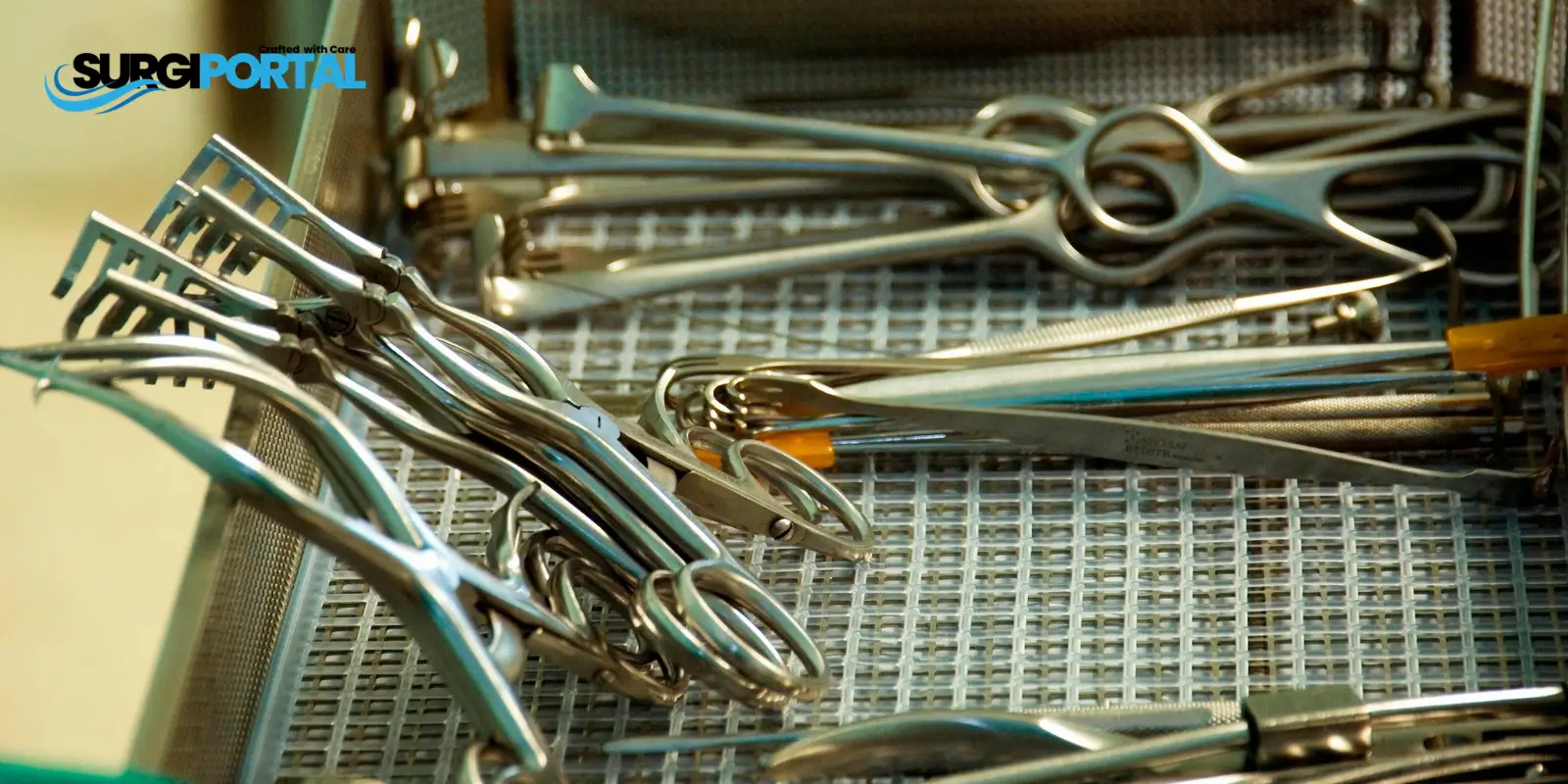
Plastic surgery constitutes one of the most specialized branches of medicine, as it demands high accuracy, delicacy, and a unique set of tools. While general surgical instruments are designed to handle a wide variety of operations, plastic surgery instruments are specific to cosmetic, reconstructive, and microsurgical procedures. Understanding the differences between these two categories is important for surgeons, medical students, and procurement professionals in clinics and hospitals.
1. Purpose and Precision
The major distinction between plastic surgery instruments and general surgical instruments lies in their purpose and precision. General Surgical Instruments are versatile. They are designed to be applicable across multiple fields such as general surgery, orthopedics, and gynecology. Instruments such as Mayo scissors, tissue forceps, and standard scalpels are built for durability and efficiency, able to handle different tissue types including muscles and organs.
Plastic Surgery Instruments, in contrast, emphasize fine tissue manipulation and aesthetic outcomes. Procedures like facelifts, rhinoplasty, breast reconstruction, and microsurgery require instruments capable of operating on delicate tissue layers, small blood vessels, and intricate anatomical structures without causing unnecessary trauma. An example is micro scissors, which are designed to cut tissue with minimal damage, promoting smoother healing and minimal scarring, whereas general surgical scissors are larger and intended for tougher tissue.
2. Design and Size Differences
Design and ergonomics are other important differences. Plastic surgery instruments are generally smaller, lighter, and more ergonomic compared to general surgical tools, which tend to be larger and heavier.
Scissors
General surgical scissors such as Metzenbaum or Mayo are larger and designed for tougher tissue. Plastic surgery scissors, including iris and micro-scissors, are finer, allowing precise, controlled cuts for cosmetic procedures.
Forceps
General surgical forceps are strong to hold large tissue sections. Plastic surgery forceps like Adson or Debakey are designed to handle delicate tissue without crushing or bruising it.
Needle Holders
Plastic surgery needle holders are smaller and lighter, optimized for microsutures. Standard needle holders used in general surgery are larger and more robust.
Retractors
Standard retractors such as Deaver or Senn are designed for large cavities. Plastic surgery retractors are small, hand-held, and designed to minimize tension, preserving the cosmetic appearance of the incision. Ergonomics also help reduce hand fatigue during long procedures, which is critical when performing surgeries that require precision and attention to detail.
3. Specialized Plastic Surgery Instruments
Plastic surgery involves many instruments not typically used in general surgery, reflecting the specialized nature of this field.
Dermatomes: Used to excise uniform skin grafts at precise depths, essential in reconstructive procedures.
Cannulas and Liposuction Tools: Designed to remove fat smoothly while minimizing tissue damage.
Microvascular Clamps: Essential for reconnecting tiny blood vessels during reconstructive surgery.
Rhinoplasty Elevators and Spreaders: Allow delicate manipulation of cartilage and bone.
Tissue Expanders and Skin Hooks: Used to stretch or position skin during cosmetic reconstruction.
These instruments prioritize precision and minimal tissue trauma, which are less critical for general surgery tools.
4. Material and Finish
Material quality is another major differentiator. General Surgical Instruments are typically made of stainless steel, designed for durability and repeated sterilization. Plastic Surgery Instruments are often made of high-grade stainless steel or titanium with polished finishes to reduce tissue adhesion and improve glide. Edges are sharper, and precise grinding ensures clean, accurate cuts. This attention to material and finish improves surgical accuracy and reduces postoperative issues such as scarring and slow healing.
5. Cost and Maintenance
Due to their specialized design, materials, and precision, plastic surgery instruments are generally more expensive than general surgical tools. They also require careful maintenance including gentle cleaning to avoid damage to delicate edges, regular inspection and sharpening of scissors and scalpels, and specialized sterilization to prevent corrosion or micro-pitting. In contrast, general surgical instruments are robust and can withstand rough handling without affecting performance.
6. Outcome Sensitivity
The sensitivity of surgical outcomes is another critical difference. Plastic surgery focuses heavily on aesthetic outcomes, so using the correct instruments is essential to prevent excessive tissue trauma, scarring, and compromised results. Even minor mistakes caused by improper tools can affect patient satisfaction. General surgical instruments are primarily used where functionality outweighs cosmetic outcomes, making minor imperfections less critical.
7. Summary of Key Differences
| Characteristic | General Surgical Instruments | Plastic Surgery Instruments |
|---|---|---|
| Purpose/Intent | Multi-purpose, general | Precision, aesthetics-specific |
| Size/Weight | Bigger, heavier | Smaller, lighter, ergonomic |
| Design | Strong, durable | Delicate, micro-precision |
| Specialized Instruments | Few special tools | Dermatomes, cannulas, micro scissors, tissue expanders |
| Material | Stainless steel | Stainless steel & titanium, polished |
| Maintenance | Moderate | High care, delicate handling |
| Cost | Lower | Higher |
| Outcome Sensitivity | Less critical | High, especially cosmetic appearance |
Conclusion
Plastic surgery instruments are specially designed for precision, aesthetic outcomes, and gentle tissue handling, whereas general surgical instruments focus on versatility and durability. Surgeons, students, and clinic managers must understand these differences to ensure optimal patient outcomes, improved aesthetics, and safe procedures. Whether you are a clinic updating your instrument sets or a student learning surgical techniques, knowing the differences between these two categories will help you succeed in the operating room and achieve the best possible results.