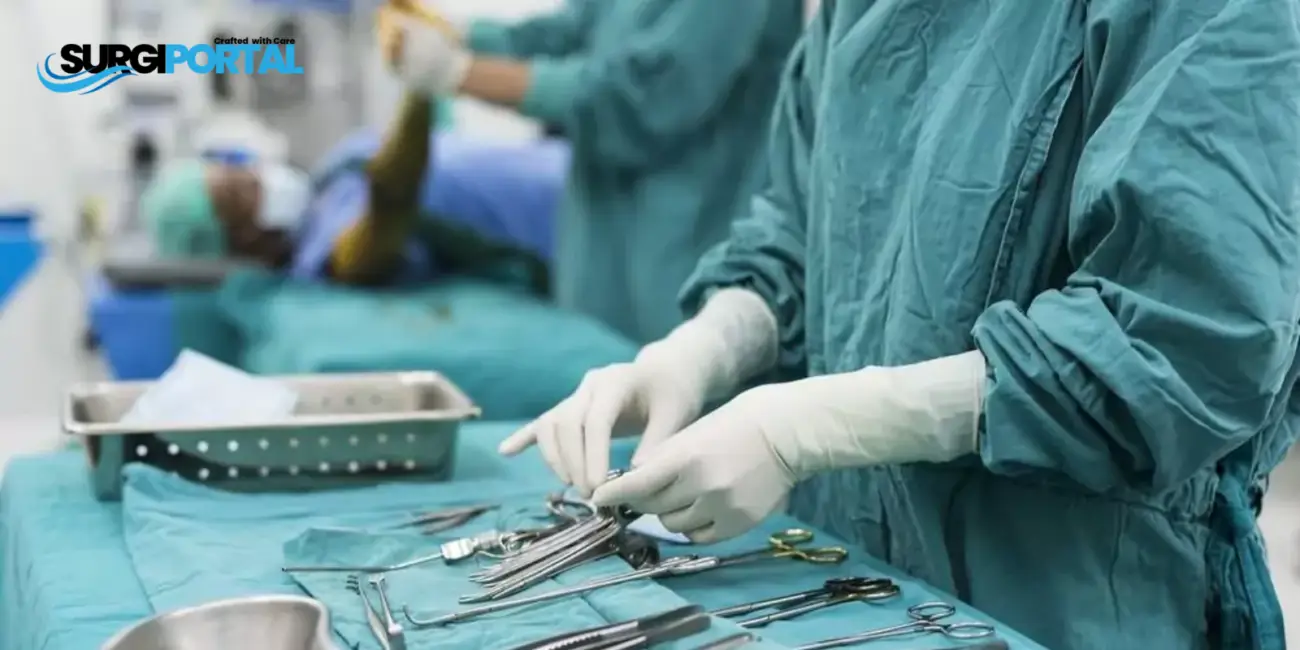
Electrosurgical instruments are an essential part of modern surgery. They are used to cut tissue, coagulate blood vessels, and perform precise surgical tasks efficiently. While these tools have revolutionized surgery by reducing blood loss, shortening procedure times, and improving precision, they also come with potential risks. Misuse or malfunction of electrosurgical equipment can lead to serious complications that affect patient safety and surgical outcomes. Understanding the common complications associated with electrosurgery and implementing strategies to prevent them is crucial for surgical teams.
High-quality instruments, proper training, and adherence to safety protocols play a key role in preventing these complications. Surgical teams must be aware of the risks and take proactive steps to minimize them to ensure safer operations and better patient care.
Patient Burns
Patient burns are one of the most common complications in electrosurgery. These burns can range from minor skin irritation to serious tissue injury, depending on the severity of the incident.
Causes of patient burns
• Improper placement of the return electrode (grounding pad)
• Incomplete contact between the pad and skin
• Faulty insulation on active electrodes
• Accidental activation of the instrument outside the surgical site
Prevention strategies
• Always place the return electrode on a clean, dry, and well-vascularized area of skin such as the thigh or back
• Ensure the pad is flat against the skin without folds or wrinkles
• Inspect instruments, cables, and electrodes before each procedure for signs of wear or damage
• Keep the active electrode in a safe holder when not in use
• Use the lowest effective power settings suitable for the procedure
High-quality instruments with proper insulation reduce the risk of accidental burns and make it easier to maintain patient safety throughout the surgery.
Accidental Tissue Damage
Electrosurgical instruments, if not used correctly, can cause unintended tissue damage. This can occur in delicate areas where precision is essential, potentially compromising surgical outcomes.
Causes of accidental tissue damage
• Excessive power settings on the generator
• Unintentional contact of the active electrode with surrounding tissue
• Lack of proper technique or insufficient training
Prevention strategies
• Begin procedures at the lowest effective power and adjust gradually as needed
• Maintain continuous awareness of the active electrode tip during surgery
• Use high-quality instruments with reliable insulation
• Provide proper training to all surgical staff on instrument handling and energy application
Accidental tissue damage can lead to increased healing times, additional procedures, or complications, so meticulous attention and quality instruments are critical.
Surgical Smoke Exposure
Electrosurgical procedures generate surgical smoke, also known as plume, when tissue is vaporized. Surgical smoke can contain harmful chemicals, biological particles, and even viral material, which poses health risks to the surgical team.
Risks of surgical smoke exposure
• Respiratory irritation and discomfort
• Eye and skin irritation
• Potential long-term health effects if exposed frequently
Prevention strategies
• Use smoke evacuation systems close to the surgical site
• Maintain proper ventilation in the operating room
• Ensure all staff wear protective masks and follow safety protocols
• Minimize the time that smoke lingers in the surgical field
Controlling surgical smoke is vital for maintaining a safe and comfortable working environment for the surgical team.
Operating Room Fires:
Electrosurgical instruments are a leading source of operating room fires due to the combination of electrical sparks, flammable anesthetic gases, alcohol-based skin prep solutions, and drapes.
Causes of operating room fires
• Sparks from active electrodes
• Flammable antiseptic solutions not allowed to dry completely
• Flammable drapes or materials near the surgical field
Prevention strategies
• Allow antiseptic solutions to fully dry before activating electrosurgical devices
• Keep all flammable materials away from the immediate surgical area
• Store active electrodes safely in holsters when not in use
• Educate staff on fire risks and emergency procedures
Awareness and preparation are essential for preventing fires and ensuring the safety of both patients and staff.
Equipment Malfunction:
Equipment malfunction can disrupt surgery and compromise safety. Malfunctions may include faulty generators, damaged cables, or worn electrodes that fail during the procedure.
Causes of equipment malfunction
• Damaged or worn electrodes and cables
• Poor maintenance of electrosurgical units
• Incorrect setup or settings
Prevention strategies
• Inspect all equipment before each surgery
• Replace damaged or worn instruments immediately
• Follow manufacturer instructions for assembly and operation
• Perform regular preventive maintenance on all electrosurgical devices
Reliable and well-maintained equipment ensures procedures proceed smoothly without unexpected interruptions.
Electrical Interference with Other Devices
Electrosurgical instruments generate high-frequency electrical energy that can interfere with other medical devices, particularly implanted devices like pacemakers or defibrillators.
Risks of electrical interference
• Disruption of pacemaker or defibrillator function
• Incorrect readings on monitoring equipment
Prevention strategies
• Identify patients with implanted devices before surgery
• Use bipolar instruments when possible to confine energy to the surgical site
• Continuously monitor patient vital signs during electrosurgery
• Maintain a safe distance between the active electrode and sensitive devices
Proper precautions and high-quality instruments reduce the likelihood of electrical interference.
Best Practices for Safe Electrosurgery
• Train all surgical staff in proper electrosurgical device use and safety protocols
• Inspect equipment thoroughly before each procedure
• Ensure correct placement of return electrodes
• Use the lowest effective power settings suitable for the procedure
• Implement surgical smoke evacuation measures
• Keep flammable materials away from the surgical field
• Monitor patients carefully, especially those with implanted devices
• Store and handle instruments properly to avoid accidental activation
Adhering to these best practices significantly reduces the risk of complications and improves patient outcomes.
Conclusion
Electrosurgical complications, though preventable, pose serious risks if not properly managed. Patient burns, accidental tissue damage, surgical smoke exposure, operating room fires, equipment malfunction, and electrical interference are among the most common issues.
Using high-quality electrosurgical instruments, combined with proper training and strict adherence to safety protocols, is essential for preventing these complications. Surgeons and surgical teams must remain vigilant and proactive in maintaining safe operating room practices.
At SurgiPortal, we focus on providing reliable electrosurgical instruments designed to support modern surgical procedures. By following best practices and using dependable tools, surgical teams can ensure safer procedures, better patient outcomes, and a more efficient operating room environment.